
Debt Recycling Mistakes to Avoid
Debt recycling can be a powerful strategy when it is set up and managed correctly.
But it is also one where small mistakes can lead to bigger issues over time, particularly when it comes to loan structure and tax treatment.
If you are considering debt recycling, these are some of the most common mistakes to be aware of.
Mixing Personal and Investment Debt
This is one of the biggest issues we see.
If personal and investment borrowings are combined in the same loan, it becomes difficult to clearly separate what is deductible and what is not.
Over time, this can create complications and potentially impact the tax effectiveness of the strategy.
Setting up separate loan splits from the start is critical.
Getting the Structure Wrong
Debt recycling is not just about investing.
It is about how the loan is structured, how funds are used, and how everything is tracked.
Trying to fix a poor structure later can be messy and difficult.
Getting this right upfront makes everything else easier.
Overestimating Returns
Some people go into debt recycling expecting strong short term returns.
In reality, this is a long term strategy.
Markets will move, and there will be periods where performance is flat or negative.
Expecting quick wins can lead to poor decisions.
Not Considering Cash Flow
Even though the strategy can be tax effective, it still needs to be funded.
If cash flow is tight, this can create pressure and reduce flexibility.
A comfortable cash flow position is key to making the strategy sustainable.
Stopping When Markets Fall
This is where behaviour plays a big role.
Debt recycling works best when it is applied consistently over time.
Pulling back during market downturns can reduce the long term benefits.
Treating It as a One Off Strategy
Debt recycling is not something you set up once and forget.
It works best when it is part of a broader strategy that is reviewed and adjusted over time.
Understanding the Strategy First
Before implementing anything, it is important to understand how debt recycling is meant to work.
If you have not already, start here:
Debt Recycling How to Reduce Your Mortgage Faster Using Tax Strategies
From there, the focus shifts to how it can be structured correctly for your situation.
General Advice Warning
The information above is general in nature and does not take into account your personal objectives, financial situation or needs. Before acting on any strategy, you should consider whether it is appropriate for you and seek personalised advice.
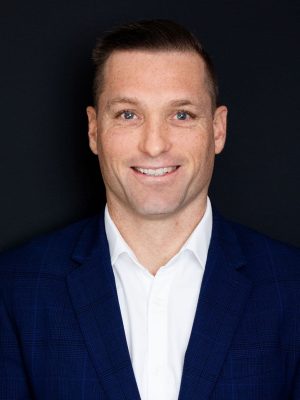
Ryan O’Grady is a Senior Financial Adviser and Director at Everyday Wealth on Sydney’s Northern Beaches, with over 10 years’ experience in financial planning.
He holds a Bachelor of Business majoring in Finance, a Diploma of Financial Planning, and a Graduate Diploma of Financial Planning, with additional SMSF accreditation.
Ryan works with clients on retirement planning, wealth accumulation, superannuation, and long-term financial strategy, with a focus on helping people structure their finances properly.
We warmly welcome new clients and our door is always open.
Let us take the stress and hassle out of managing your financial goals so you can focus on the important stuff.